
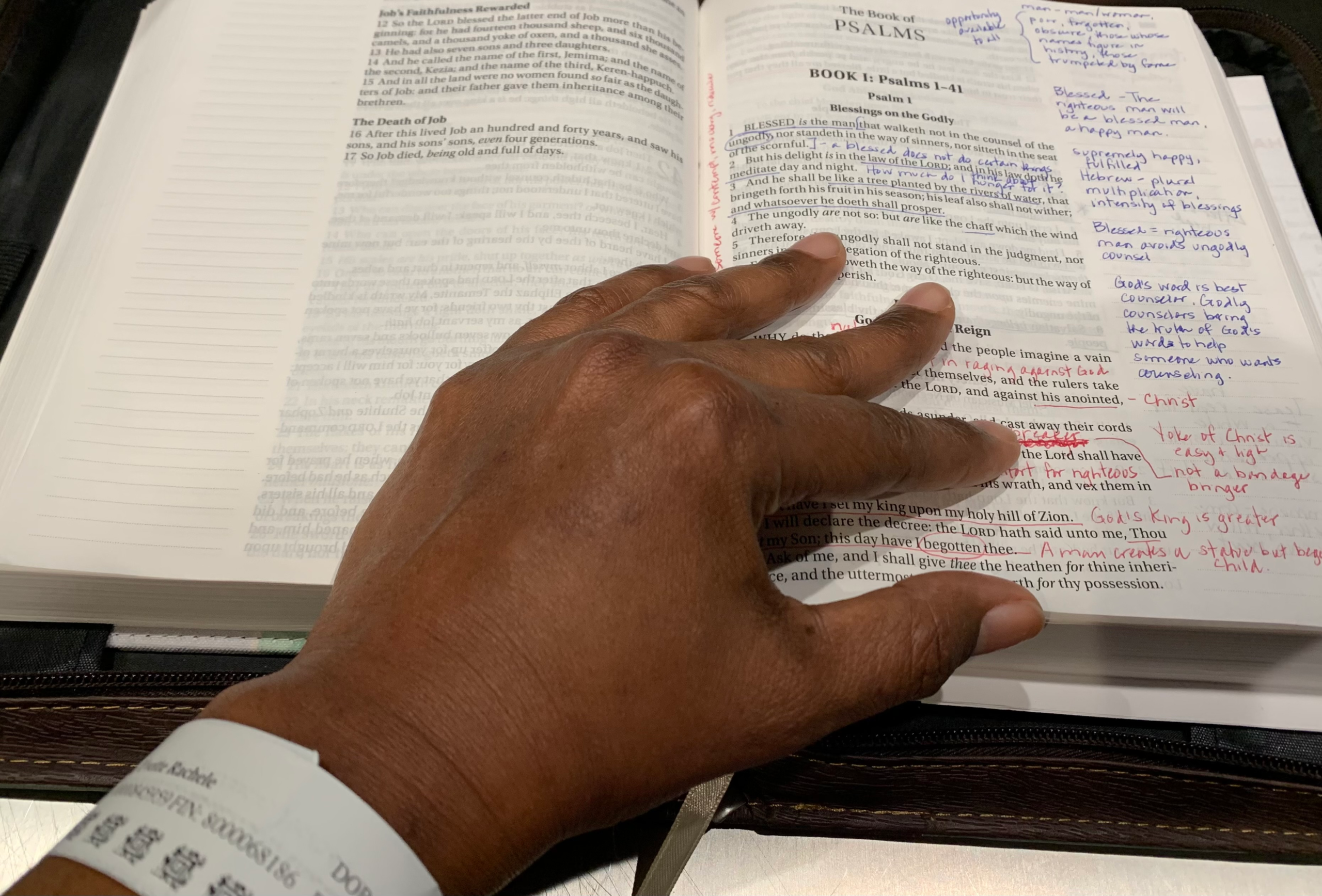
I’m sitting in a hospital bed again.
The reason is the same as before: waves of tightness in my chest accompanied by pain radiating down my left shoulder and arm.
I’ve had pain and numbness in my left shoulder and arm for a few months. I’ve gone to urgent care a few times, assuming it was carpal tunnel syndrome or a pinched nerve. But yesterday, the symptoms felt eerily familiar—the same symptoms that led to the discovery of a blocked artery and the placement of a stent earlier this year.
Today, I’m facing another cardiac catheterization to figure out if there is a problem with the stent or more narrowing in one of my arteries.
Is this normal? I don’t know. I don’t know what normal looks like right now.
I don’t usually dwell in pessimism or despair, but today I find myself asking: Why do I have Type 1 Diabetes?
My blood sugars aren’t where I want them to be, but I’ve been trying. I exercise. I make healthy food choices. I pay attention. Doesn’t that count for something?
Part of me wants to know what I’m supposed to do with this experience. What am I supposed to learn from it?
The problem with “Why me?” questions is that they can leave us feeling powerless. They focus our attention on what we cannot change rather than what we can.
I know I can’t stay there for long. I’m more of a “So this is the situation. Now what?” kind of person.
Wanting to understand what is happening, I have begun researching the connection between Type 1 Diabetes and coronary artery disease.
What I have learned has surprised me.
I knew that Type 1 Diabetes and uncontrolled blood sugars could damage the kidneys, eyes, and nerves. What I didn’t fully appreciate is how much diabetes can affect the heart.
Over time, elevated blood sugar can damage blood vessels, making it easier for plaque to build up inside the arteries. Diabetes can also contribute to inflammation and changes in cholesterol and blood pressure, all of which increase the risk of coronary artery disease.
The longer a person has Type 1 Diabetes, the greater the opportunity for high blood sugars and other diabetes-related factors to affect cardiovascular health. This does not mean heart disease is inevitable, but it does mean that heart health deserves as much attention as blood sugar management.
The last paragraph points toward a path forward rather than a reason to give up. Good glucose management, regular exercise, heart-healthy eating, and consistent medical follow-up cannot change the past, but they can influence what happens next.
For me, this experience has been a wake-up call. Managing Type 1 Diabetes is not only about blood sugar. It’s also about protecting my heart. I didn’t fully understand how interconnected those two realities are, but I do now.
So while I don’t have all the answers today, I do have a direction: take care of the body God has given me, learn what I can from this experience, and keep moving forward one step at a time.
I still don’t know why I have Type 1 Diabetes. I still don’t know why this is part of my story. But I am learning that trusting God doesn’t require having all the answers. Sometimes it simply means taking the next step and trusting Him with the outcome.
Leave a Reply